Introduction to Integrated Personal Setup
In today’s fast-paced world, optimizing daily efficiency has never been more crucial. Integrating smart home devices into your personal setup can transform your daily routine, allowing you to accomplish more with less effort. A well-architected approach to smart home technology can lead to improved productivity, energy savings, and enhanced convenience. This article explores various smart home solutions, providing practical insights to create a seamless and efficient integrated personal setup that caters to both your needs and lifestyle.
Choosing the Right Smart Home Devices
When embarking on the journey of creating an integrated personal setup, selecting the right smart home devices is foundational. With an array of options available, understanding their features and benefits can significantly enhance your daily efficiency. Here, we will discuss a few essential categories of devices that can make a notable difference.
Smart Speakers and Voice Assistants
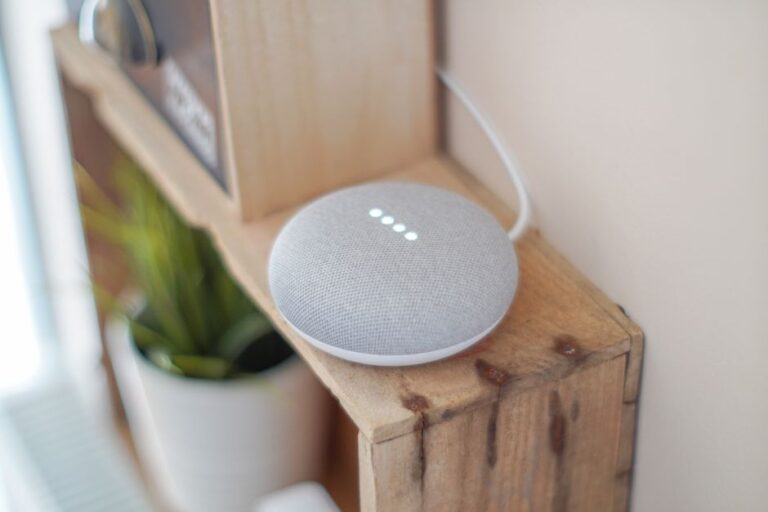
- Hands-Free Control: Smart speakers, like Amazon Echo or Google Nest, enable voice-activated tasks ranging from setting reminders to playing your favorite playlists. This hands-free option allows you to multitask more effectively as you move through your day.
- Home Automation Hub: These devices serve as central control units, connecting and managing a variety of smart home appliances, which simplifies your operations and increases efficiency.
Smart Lighting Solutions
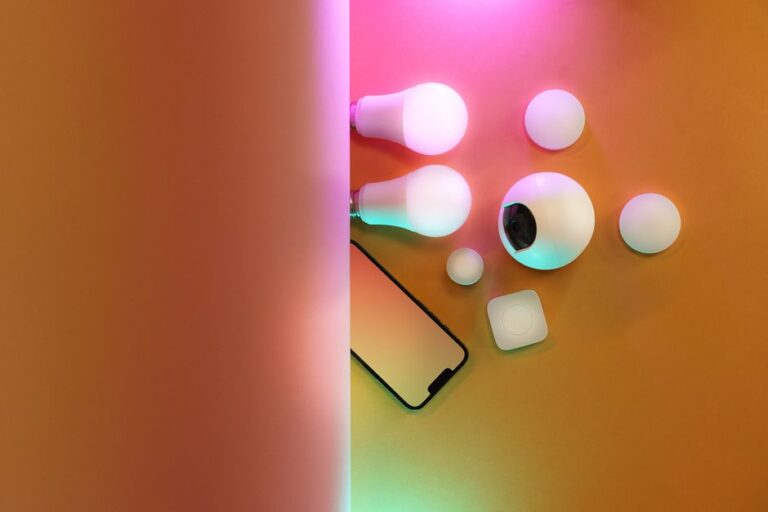
- Energy Efficiency: With smart bulbs, you can automate your lighting based on your routine, reducing energy waste and contributing to environmental sustainability.
- Customization: Smart lighting allows you to adjust colors and brightness conveniently from your smartphone, enabling you to create the perfect atmosphere for different activities, whether it’s a vibrant gathering or a cozy movie night.
Smart Thermostats
- Temperature Control: Smart thermostats, such as Nest, can learn your schedule and adjust temperatures accordingly. This results in optimized comfort and energy savings, which can lead to significant cost reductions on utility bills over time.
- Remote Access: Management of your heating and cooling systems is made easy through smartphone connectivity, allowing you to ensure a comfortable environment awaits upon your arrival home.
Creating Your Integrated Personal Setup
With the appropriate devices in hand, the focus now shifts to the layout and configuration of your integrated personal setup. This involves not just the placement of devices, but also ensuring interconnectivity to maximize your home automation efficiency.
Set Up a Centralized Control System
A centralized control system streamlines your experience. By using platforms such as Apple HomeKit, Google Home, or Amazon Alexa, you can integrate various smart devices under one seamless interface.
- Easy Management: Control all devices using a single app or voice commands. This simplifies management and allows you to coordinate multiple devices simultaneously.
- Scheduling: Setting regular routines enables the automation of common tasks. For example, you can program your smart lights to turn off at bedtime or adjust the thermostat each morning to save on energy.
Optimize Device Placement
Careful placement of your smart devices can significantly elevate their effectiveness. To maximize functionality, consider the following tips:
- Strategic Locations: Place smart speakers in communal areas, such as living rooms or kitchens, to enable easy access for voice commands throughout the day.
- Lighting Position: Optimize smart bulb installation in high-use areas like the living room and kitchen for maximum illumination and efficiency.
Integrating Wearable Technology
Wearable devices, such as smartwatches and fitness trackers, can further enhance your personal setup by linking seamlessly to your smart home system. These devices provide real-time data and can automate various tasks based on your activity patterns and preferences.
- Health Monitoring: Wearables facilitate tracking your fitness goals and health metrics, providing invaluable data that informs your daily decisions.
- Connectivity: Utilize notifications to control your smart devices conveniently from your wrist, enhancing the interactivity of your personal setup.
Maximizing the Benefits of Your Integrated Setup
Once you have assembled your personal setup, the next important step is to maximize its potential for enhanced efficiency. This requires thoughtful implementation and continuous adjustment to fit your evolving lifestyle.
Implementing Automation Routines
Automation is key to reaping the full benefits of an integrated personal setup. By establishing specific routines, you can allow your devices to work in unison seamlessly.
- Morning Routines: Consider programming your lights to gradually brighten as your smart speakers play your favorite morning playlist. This gentle wake-up call fosters a more positive start to your day.
- Evening Wind-Down: Schedule your lights to dim and the thermostat to adjust as you prepare for the night, creating a calming atmosphere that aids relaxation.
Regular Maintenance and Updates
To ensure that everything operates smoothly, regular maintenance and updates are crucial. This ongoing commitment includes:
- Firmware Updates: Keeping your devices updated with the latest software enhances performance and introduces new features that can improve your overall experience.
- Check Connectivity: Regularly verify that all devices are connected and functioning properly. This proactive approach ensures that you experience minimal disruptions in your daily routines.
Frequently Asked Questions
What are the benefits of a smart home setup?
A smart home setup can enhance convenience, improve energy efficiency, and provide greater control over your living environment. These benefits translate to both a more enjoyable everyday experience and potential long-term savings.
How do I connect multiple smart home devices?
Typically, devices can be connected through a central hub or app, which allows for easier management and automation. Most platforms offer seamless integrations for a wide range of devices.
Are smart home devices secure?
While most smart devices come equipped with security measures, it is essential to protect your network by regularly updating their software and using strong, unique passwords to maintain security.
Can I integrate smart home devices with my existing home setup?
Yes, many smart home devices are designed to be compatible with traditional appliances, making it easier to retrofit your home with smart technology for a more integrated experience.
What is the cost of setting up a smart home?
The cost can vary widely based on the devices selected and your specific needs. It is advisable to start small with a few essential devices and gradually build your setup according to your preferences and budget.