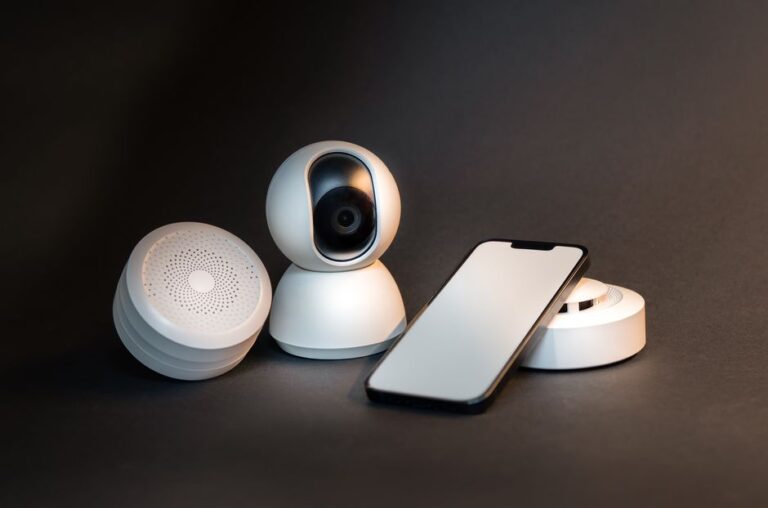
How to Create an Integrated Personal Setup Using Smart Home Devices for Enhanced Daily Efficiency

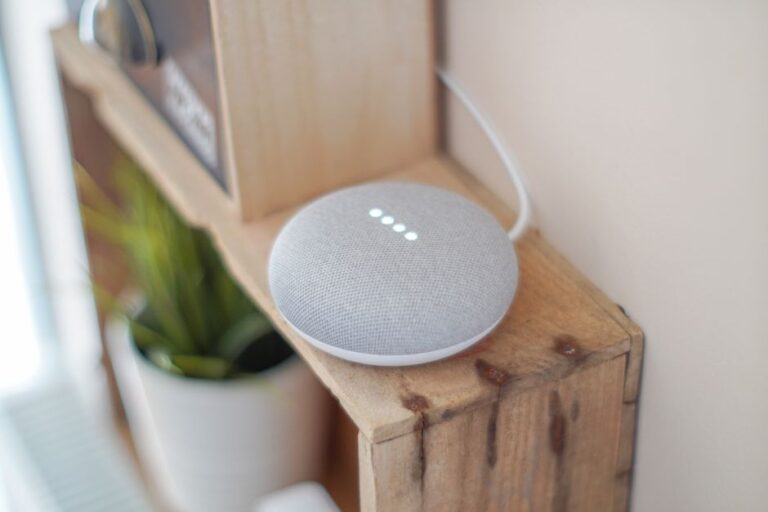
As smart home technology continues to evolve, integrating voice assistants into your personal device setup is becoming increasingly essential. This comprehensive guide explores various aspects of voice assistant integration, offering practical insights to enhance your smart home experience. By the end, you will understand how to optimize your devices for seamless interaction and convenience.
Voice assistants, such as Amazon Alexa, Google Assistant, and Apple Siri, enable users to interact with their devices through voice commands. They have become integral to smart home setups, allowing for greater automation and control over various functions within the home.
Begin by evaluating your current devices. Identify which gadgets are compatible with voice assistants. Many smart devices offer compatibility features, and knowing what you have will guide your integration process.
Your choice of voice assistant should align with your needs and existing technology. Consider factors such as device compatibility, user interface, and integration with apps you regularly use. For instance, if you often utilize Google services, Google Assistant might be the best choice for you.
Follow these steps to efficiently connect your devices to your selected voice assistant:
After connecting your devices, leverage the routine feature available in most voice assistant apps. This allows you to automate multiple tasks, enhancing your daily routines:
To improve the accuracy of voice recognition, consider the following tips:
To maximize your smart home capabilities, consider integrating additional devices compatible with your voice assistant. Examples include:
As with any smart technology, privacy remains a significant concern. Here are some strategies to safeguard your data:
Yes, it is entirely possible to use multiple voice assistants within a single household. However, it is crucial to ensure they do not conflict with one another, as this can lead to confusion and a less seamless experience.
If you are experiencing difficulties, first check if the device firmware is up to date. Ensure the device is connected to Wi-Fi and verify that you are speaking clearly from an appropriate distance to the microphone.
Most voice assistants are designed to listen for a designated wake word, ensuring they only activate upon your command. There are options to mute them, providing an additional layer of privacy when needed.
Before purchasing new devices, it is advisable to research their compatibility with your chosen voice assistant. Product descriptions and online reviews often provide insights into how well devices work with various platforms.
Many voice assistant platforms offer customization options, allowing you to modify routine commands to suit your preferences. This personalization can enhance both usability and enjoyment of your smart home technology.
Integrating voice assistants into your personal device setup significantly enriches your smart home experience. By understanding the types and features of these assistants, following the steps for integration, and optimizing their use, you can create a more efficient and convenient environment. As technology continues to advance, staying informed about new capabilities will further enhance the role of voice assistants in your daily life.
To get started on transforming your home into a smart haven, explore your options today and experience the convenience that voice assistants can bring.