How to Create an Integrated Personal Setup Using Smart Home Devices for Enhanced Daily Efficiency

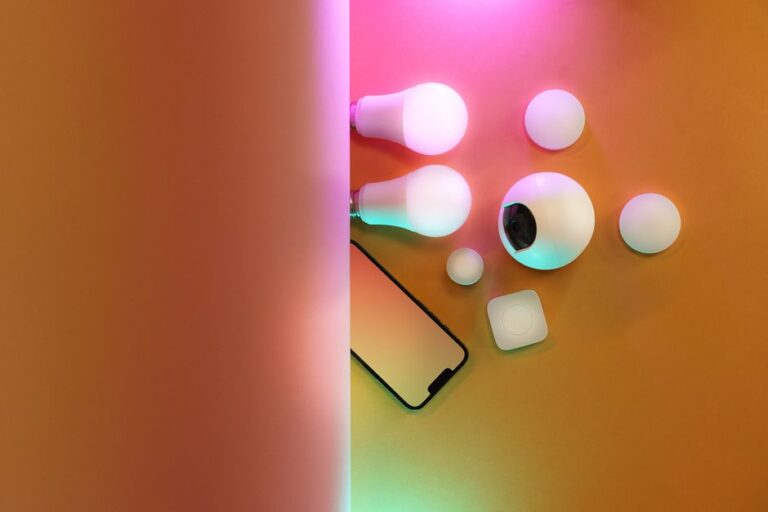
Creating the perfect atmosphere at home often starts with the right lighting. A smart lighting system can transform your living space, allowing for customized settings that suit your mood and lifestyle. This guide will provide detailed insights into setting up a smart lighting system that enhances your home ambiance while efficiently utilizing energy and technology.
Smart lighting refers to fixtures that can be controlled remotely or through automated systems. These systems typically connect to your home Wi-Fi, allowing you to adjust brightness, color, and even scheduling from your smartphone or other devices. Key benefits of a smart lighting system include:
To set up a smart lighting system effectively, it’s crucial to understand its components. Below are the essential elements involved:
Setting up a smart lighting system involves several steps. Each component works together to provide the desired functionality. Here’s a detailed step-by-step approach:
Before making any purchases, evaluate where you need smart lighting throughout your home. Consider the following areas:
When selecting smart bulbs, compatibility and features are crucial. Here are some considerations:
Installing smart switches allows for convenient management of multiple lights. Connect a smart hub to your home network, ensuring that all devices can communicate effectively and efficiently.
Applications are essential for managing your smart lighting system. Download the necessary apps and follow the user-friendly instructions for setup and configuration to ensure that your devices function seamlessly together.
Once installed, utilize your app to set schedules for automatic lighting. Automated routines not only enhance convenience and efficiency but also contribute to household security by simulating presence when you are away.
Once your system is fully operational, there are numerous ways to further optimize its functionality:
A smart bulb is an LED light that can be controlled remotely via applications, allowing for adjustments in brightness and color to suit different needs and preferences.
Yes, most smart lights are designed to be energy-efficient, particularly LED options that consume significantly less power than traditional incandescent bulbs.
Most smart lighting systems are designed for easy installation, allowing homeowners to set them up without requiring professional assistance. Simple instructions are typically provided for each component.
Yes, as long as the fixtures are compatible, you can use smart bulbs with existing light sockets, making it easy to upgrade your current setup.
Protect your network by using a strong password and regularly updating the firmware of your devices. These measures help minimize security risks associated with smart technology.
Implementing a smart lighting system in your home can significantly enhance both your daily living experience and the energy efficiency of your home. By understanding the components involved and following the steps for setup, you will create an inviting atmosphere that can be tailored to fit your unique lifestyle and preferences. Don’t hesitate to explore all the functionalities that smart lighting offers, as they can elevate the comfort and security of your environment.
If you’re ready to transform your home with smart lighting technology, start your journey today by assessing your needs and exploring the options available to you!