In an increasingly fast-paced world, automating your personal setup can significantly enhance your daily routines. This comprehensive guide will cover the essentials of smart home automation, ensuring you have the tools to create an intelligent and efficient living space. Discover how to improve your lifestyle through technology, where each decision is tailored for your convenience and comfort.
Understanding Smart Home Automation
Smart home automation involves connecting various devices and systems to allow them to communicate and perform tasks automatically. This technology not only provides convenience but also enhances security and energy efficiency. By implementing smart devices, you can enjoy seamless routines every day. For instance, consider how automatically adjusting your thermostat based on real-time data can help keep you comfortable while lowering your energy bills.
The Benefits of Smart Home Automation
- Convenience: Automating daily tasks saves time and effort, allowing you to focus on what truly matters.
- Energy Efficiency: Smart devices can reduce energy consumption, lowering your bills and your carbon footprint.
- Enhanced Security: Automated systems can monitor your home and provide alerts, enabling peace of mind whether you’re home or away.
- Customization: Tailor your setup according to your lifestyle and preferences, ensuring that your home truly reflects your needs.
Essential Components of a Smart Home Setup
To build an efficient automated personal setup, consider the following components. Each plays a crucial role in creating a cohesive and functional environment.
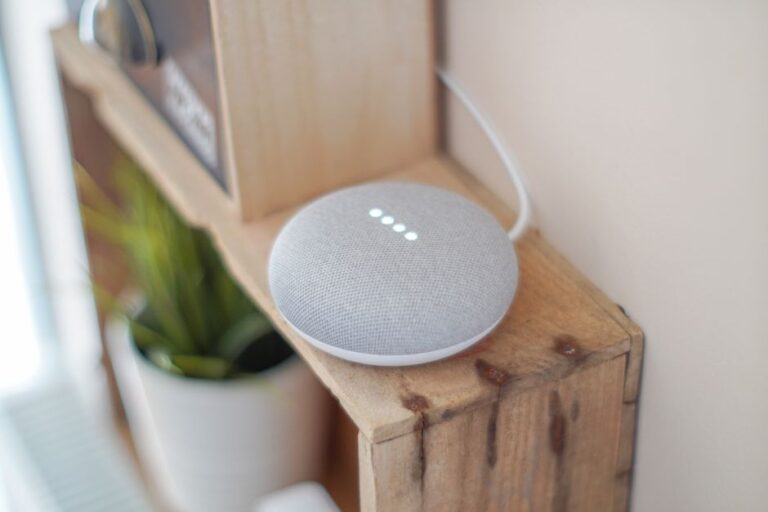
- Smart Speakers: Devices such as Amazon Echo or Google Nest allow voice control for various functions, enabling a hands-free experience.
- Smart Lighting: Automated lighting solutions can adjust based on time, mood, or occupancy. For instance, consider a strategy where your hallway lights gradually brighten in the morning to ease you into your day.
- Smart Thermostats: Control your home’s temperature automatically for comfort and cost savings, learning your preferences over time.
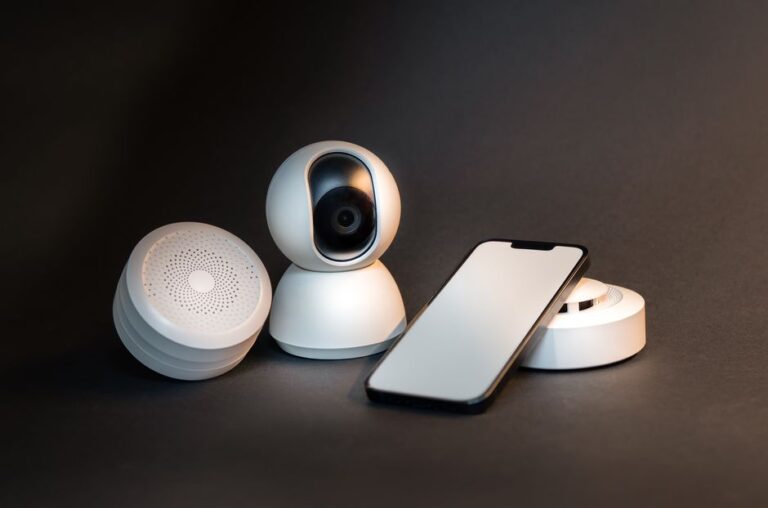
- Smart Security Cameras: Keep your home secure with surveillance that can be monitored remotely, reducing anxiety during absences.
- Smart Plugs: Control power to any device, enhancing non-smart gadgets and providing more integration throughout your home.
Steps to Create Your Personal Automated Setup
Transforming your home into a smart space involves several steps. Follow this guide to ensure you optimize your setup effectively.
Step 1: Assess Your Needs
Begin by identifying which aspects of your routine could benefit from automation. Common focus areas include:
- Morning routines: Trigger coffee makers, lights, and news briefings to start your day effectively.
- Security: Set alerts for unusual activity, ensuring your home is always protected.
- Energy savings: Schedule heating and cooling, optimizing your consumption during peak hours.
Step 2: Choose Compatible Devices
Ensure the smart devices you select are compatible with each other. Popular ecosystems include:
- Amazon Alexa: Supports a vast array of devices, allowing for greater customization.
- Google Home: Integrates with various smart products efficiently, making automation smoother.
- Apple HomeKit: Offers seamless compatibility with iOS devices, ideal for Apple enthusiasts.
Step 3: Plan Your Automation Sequences
Utilize automation sequences to streamline your daily activities. Examples include:
- Morning Light Routine: Gradually turn on lights at a set time, simulating a natural sunrise.
- Security Actions: Lock doors and turn on cameras at bedtime, creating a secure environment for sleep.
- Energy Efficiency: Schedule thermostats to adjust temperatures during the day, ensuring comfort while conserving energy.
Integrating Voice Control into Your Setup
Voice control is one of the standout features of smart home technology. Enhancing your personal setup with this feature can simplify operations significantly, allowing for effortless interaction.
Benefits of Voice Control
- Hands-Free Convenience: Control devices without needing a remote or smartphone, making life easier when your hands are occupied.
- Accessibility: Useful for individuals with mobility challenges, ensuring that everyone can benefit from smart technologies.
- Enhanced Interaction: Engage with your home through natural voice commands, creating a more intuitive experience.
Commands and Automation
Familiarize yourself with common voice commands for your devices. Popular phrases include:
- “Turn off the living room lights.”
- “Set the thermostat to 72 degrees.”
- “What’s on my calendar today?”
Frequently Asked Questions
What devices are essential for a basic smart home setup?
A basic setup typically includes a smart speaker, smart lighting, and a smart thermostat. These components provide a solid foundation for automation.
How can I ensure my smart home devices are secure?
Regularly update firmware, use strong passwords, and set up two-factor authentication when available to protect your devices from unauthorized access.
Can I automate my home without an internet connection?
Many devices require Wi-Fi; however, some local-only systems exist for limited automation, focusing on essential tasks.
How do I troubleshoot common smart home issues?
Check device connections, restart devices, and consult the manufacturer’s support page for guidance on resolving specific issues.
Is smart home automation expensive?
Costs can vary widely; however, there are budget-friendly smart devices available for those starting out, making automation more accessible.
Embrace the convenience and comfort that come with a smart home setup. Start automating your personal space today to enhance your daily experiences.