Understanding the Importance of a Personal Setup
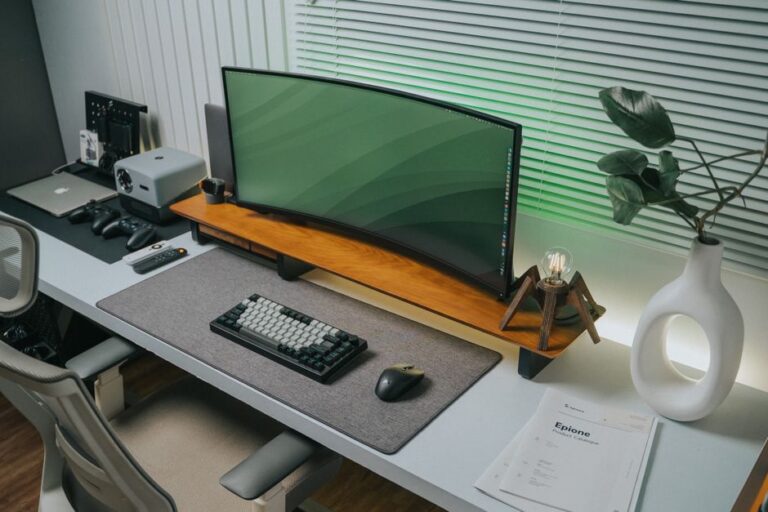
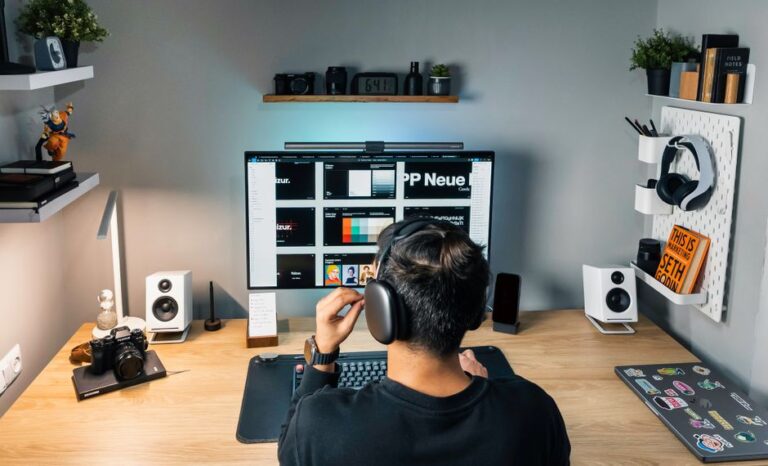
Creating an effective personal setup is essential for enhancing cognitive workflows and reducing mental fatigue. A well-designed workspace significantly influences not only productivity but also overall well-being. Through thoughtful organization, proper ergonomics, and the right technology, individuals can cultivate an environment that fosters focus and creativity while minimizing distractions. An optimal personal setup is not merely about aesthetics; it can directly affect your mental state and efficiency throughout the day.
Essential Elements of a Productive Personal Setup
Your personal setup should consist of various components that work together to optimize your cognitive functions. The following elements are crucial for an effective workspace:
- Ergonomic Furniture: Invest in a good chair and desk to prevent discomfort, ensuring you are physically supported while working.
- Lighting: Incorporate natural light and adjustable artificial light for optimal visibility, which can significantly enhance focus.
- Technology Tools: Utilize high-quality devices and peripherals that suit your work style to streamline your tasks.
- Organizational Tools: Use planners, calendars, and digital apps to keep your tasks in order and boost productivity.
Ergonomic Furniture: A Critical Investment
Ergonomics plays a pivotal role in your setup. A chair that supports your body and a desk at the right height can minimize strain and fatigue. Choosing ergonomic furniture is an investment in your health and productivity. Consider the following when selecting ergonomic furniture:
- Adjustability: Opt for items that can be adjusted to fit your body type and preferences, allowing for a personalized experience.
- Support: Choose products with lumbar support to keep your spine aligned, reducing back pain during long hours.
- Material: Look for breathable materials that provide comfort during extended periods of use, ensuring you remain focused.
Lighting: Illuminating Your Workspace Effectively
Proper lighting is vital for reducing eye strain and enhancing concentration. A well-lit workspace can lead to better performance and fewer headaches. Here are some tips to optimize lighting in your workspace:
- Maximize Natural Light: Position your desk near windows when possible. Natural light can significantly uplift your mood and energy.
- Use Adjustable Lighting: Ensure you can control brightness based on the time of day; having varying intensities can accommodate different tasks.
- Incorporate Task Lighting: Use desk lamps for focused tasks requiring additional light, especially during evening work sessions.
Technology Tools: Enhancing Efficiency
The right technology is crucial for an efficient personal setup. High-performance technology not only assists in task completion but can also make your work experience more enjoyable. The following tools can streamline your workflows:
- High-Performance Computer: Choose a machine capable of handling your workload efficiently, allowing for smoother multitasking.
- Quality Peripherals: Invest in a good keyboard and mouse to reduce strain, which can prevent long-term injuries.
- Software Solutions: Consider apps for task management and collaboration, enhancing communication and project tracking.
Creating an Organized Workspace
An organized workspace is foundational for maintaining focus and reducing stress. The benefits of an orderly space can extend to your mental health, creating a more serene environment. Here are strategies to create an organized environment:
- Decluttering: Regularly remove items that are not necessary for your current tasks, promoting an unobstructed workflow.
- Storage Solutions: Utilize shelves, cabinets, and drawers to store items neatly, making essential tools readily accessible.
- Digital Organization: Keep your digital files and emails organized for easy access, which can save time and reduce frustration.
Decluttering: The First Step Toward Organization
Decluttering is essential to ensure your workspace promotes productivity and minimizes distractions. Here are some steps to effective decluttering:
- Schedule Regular Clean-Up: Dedicate time weekly to clear your desk, establishing a routine that promotes cleanliness.
- Prioritize Essentials: Keep only items that are critical for your work at your desk to maintain focus.
- Embrace Minimalism: Adopt a minimalist approach by surrounding yourself with fewer, more meaningful items that spark inspiration.
Storage Solutions: Maximizing Space
Utilizing effective storage solutions can help keep your workspace organized. Consider the following approaches:
- Vertical Storage: Use wall shelves to free up desk space, which can also provide an opportunity for decorative elements.
- Drawer Organizers: Keep small items tidy and easily accessible, preventing clutter from building up.
- File Systems: Implement a system for important documents to prevent paper clutter, making retrieval efficient.
Enhancing Cognitive Workflows
Maximizing cognitive workflows involves understanding how your environment affects your thought processes. An environment conducive to productivity can significantly lift mental states. Here are a few strategies to enhance workflow:
- Time Management: Use techniques like the Pomodoro Technique to stay focused and maintain productivity.
- Task Prioritization: Organize tasks by importance and deadlines to manage workload effectively.
- Mindfulness and Breaks: Incorporate short breaks to refresh your mind, preventing burnout.
Time Management Techniques
Effective time management is pivotal in optimizing your productivity. Exploring various techniques can provide insights into what works best for you:
- The Pomodoro Technique: Work for 25 minutes and take a 5-minute break; this method enhances focus while providing necessary downtime.
- Time Blocking: Allocate specific time slots for different tasks, ensuring dedicated periods for each project or activity.
- Task Batching: Group similar tasks together to streamline your efforts and reduce transition times between varied activities.
Task Prioritization Strategies
Understanding how to prioritize tasks can greatly reduce mental fatigue and enhance workflow efficiency. Use these strategies:
- The Eisenhower Matrix: Categorize tasks by urgency and importance, helping you quickly identify what demands immediate attention.
- ABC Method: Assign A, B, or C to tasks based on their priority, providing a clear focus on what to tackle first.
- Daily Top Three: Identify the three most important tasks each day to maintain a manageable workload and achievable expectations.
Frequently Asked Questions
What is the best chair for a home office setup?
A good office chair should be adjustable, provide lumbar support, and be comfortable for long periods of use. Consider ergonomic options designed for prolonged sitting.
How can I reduce distractions in my workspace?
Create a dedicated workspace, use noise-canceling headphones, and limit notifications from devices. Establish boundaries with those around you during work hours.
What technology tools do I need for optimal productivity?
High-performance computers, ergonomic keyboards, and productivity apps are essential tools for maintaining efficiency and enhancing workflow in any personal setup.
How often should I organize my workspace?
It’s advisable to declutter your workspace weekly to keep it organized and conducive to productivity. Regular maintenance will save time and reduce stress.
What are the benefits of a well-structured personal setup?
A structured personal setup enhances focus, boosts creativity, and reduces mental fatigue, leading to increased productivity and improved overall well-being.