Understanding Personal Setups
Designing a personal setup that aligns with your work style and needs is crucial for enhancing productivity. A tailored workstation not only maximizes efficiency but also contributes to overall well-being. This article explores the essential elements of a personal setup, offering actionable advice to create an ideal environment tailored to your unique requirements.
Identifying Your Work Style
Before diving into the specifics of your setup, it is important to identify your work style. Understanding how you approach tasks influences every aspect of your workspace design. Knowing your work style can help you make informed choices that directly impact your efficiency.
Types of Work Styles
- Collaborative: Thrive in teamwork and discussions. Your setup should encourage interaction, potentially with a communal table or whiteboard for brainstorming.
- Independent: Prefer focusing on tasks without interruptions. Aim for a quieter, more personal space, complete with soundproofing or privacy screens.
- Hybrid: Blend collaborative and independent tasks. Require versatile setups that allow both environments, such as movable furniture arrangements.
Recognizing your primary work style makes it easier to choose furniture and tools that enhance your performance. For example, if you lean towards collaborative work, incorporating an open layout with accessible resources will be beneficial. Conversely, a corner desk with noise-canceling headphones may serve a more independent style.
Key Components of an Effective Personal Setup
Once you have identified your work style, the next step is to consider the key components that contribute to an effective personal setup. Each aspect can play a significant role in your productivity and overall work experience.
Furniture and Ergonomics
Invest in furniture that promotes good posture and comfort:
- Desk: Choose an adjustable desk if you like to alternate between sitting and standing. This flexibility can reduce fatigue and increase focus over long periods.
- Chair: Ergonomic chairs minimize strain on your back and neck. Look for options with lumbar support and adjustable features for optimal comfort.
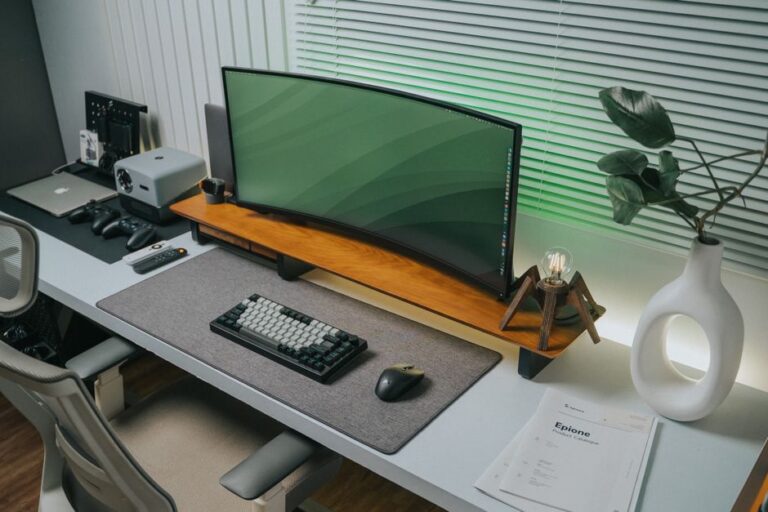
- Accessories: Consider add-ons like monitor stands and keyboard trays to optimize your workspace layout. An ergonomic setup can significantly affect how efficiently you work.
Technology and Tools
The right technology can significantly boost your productivity:
- Computers: Invest in a reliable computer that can handle your workload efficiently. It’s advisable to choose components that match your specific tasks, whether for graphic design or data analysis.
- Software: Utilize tools that streamline workflow, like task managers, note-taking apps, and communication platforms. These can help you keep track of achievements and deadlines.
- Connectivity: Ensure your internet connection is stable, and consider wired connections for faster speed. A reliable network is essential for remote collaboration and research.
Lighting and Ambiance
Proper lighting sets the tone for your personal setup:
- Natural Light: Position your desk near windows to utilize daylight. Natural light helps enhance mood and reduce eyestrain.
- Task Lighting: Use adjustable desk lamps for focused work, particularly in the evenings. Task lighting can prevent fatigue and improve concentration.
- Color Schemes: Colors can impact mood; consider soothing tones to create a calming environment. For instance, blue tones can reduce stress, while vibrant colors can energize the space.
Customization for Personal Preference
Your workspace should reflect your personality and preferences. Personalization can inspire creativity and make the workday more enjoyable. By incorporating personal touches, you make your space uniquely yours.
Incorporating Personal Touches
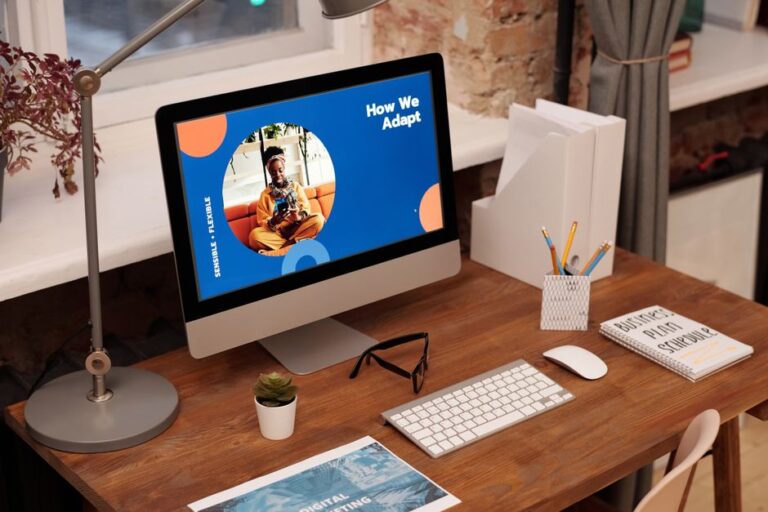
- Decoration: Use artwork, plants, or personal photos to make your space feel inviting. Plants purify the air and improve mood—consider adding low-maintenance options like succulents.
- Organization: Personal organizers or stylish storage solutions can both declutter and beautify your desk. A tidy workspace can lead to clearer thinking.
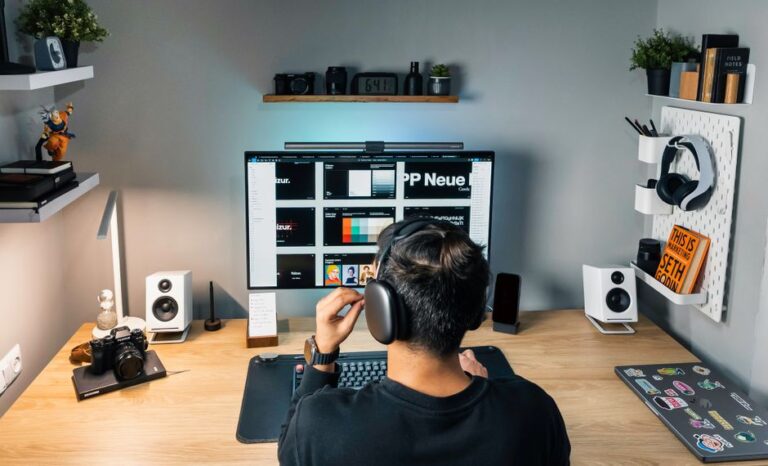
- Sound Scaping: Consider incorporating sound elements, such as music or white noise machines, tailored to your focus level. Calming sounds can minimize distractions and enhance concentration.
Flexibility and Adaptability
Your setup should be flexible enough to evolve with your changing needs. As your responsibilities and projects shift, so should your workspace:
- Space Utilization: Utilize multifunctional furniture to adapt to varying tasks. Look for desks with built-in storage or foldable components.
- Revisit Layout: Regularly reassess and adjust your layout for improved functionality. Small tweaks can yield significant benefits in comfort and efficiency.
- Seasonal Changes: Modify decor and tools as seasons change to keep your workspace fresh. A seasonal theme can inspire creativity and elevate your mood.
Maintaining and Optimizing Your Personal Setup
Creating an effective personal setup is an ongoing process. Regular maintenance and optimization can help you stay productive in the long run. Over time, small adjustments can lead to significant improvements in your workflow.
Regular Assessment
Schedule periodic evaluations of your workspace:
- Productivity Checks: Reflect on your productivity levels and identify any obstacles. Create a checklist to assess which elements contribute positively to your output.
- Comfort Levels: Ensure that your furniture continues to meet comfort and ergonomic needs. If discomfort arises, it may be time to reassess your choices.
- Technology Upgrades: Stay updated with the latest tools to enhance efficiency. Regular updates can prevent slowdowns and improve your overall tech experience.
Seeking Feedback
Getting input from peers can provide new insights. Different perspectives may highlight areas you hadn’t considered:
- Collaboration: Discuss setups with colleagues who may have different styles. Their suggestions could enhance your personal workspace.
- Professional Advice: Consider consulting ergonomics specialists for personalized recommendations. An expert’s perspective can guide you toward the most effective choices.
- Online Communities: Engage in forums focused on productivity and workspace design for fresh ideas. Community exchanges can spark inspiration and innovation.
Frequently Asked Questions
- What is the most important aspect of a personal setup? Ergonomics is crucial as it affects your physical well-being and productivity.
- How can I make my workspace more inspiring? Incorporate personal decorations, plants, and mood-enhancing colors to create a motivating atmosphere.
- What technology should I prioritize? Invest in a reliable computer and software that enhances your workflow, ensuring efficiency in your tasks.
- How often should I change my setup? Regular assessments every few months can help keep your workspace efficient and aligned with your evolving needs.
Final Call to Action
Start today on creating your ideal personal setup that complements your work style and preferences. Invest in the right tools and maintain a space that fuels your creativity and productivity. By making thoughtful adjustments over time, you can cultivate an environment that leads to continual growth and success.