Essential Tools for Securing Your Personal Setup: A Comprehensive Guide to Digital Privacy

Your digital identity comprises the information you share online, encompassing social media profiles, emails, and the digital footprint you leave behind. It includes everything from your shopping preferences to the opinions you express in blog posts. Managing this identity effectively is crucial for enhancing your privacy and protecting your personal data. With increasing concerns about data breaches, cyber threats, and online surveillance, understanding the nuances of digital identity management has never been more essential. A well-managed digital identity not only increases your online security but also helps in optimizing your online interactions, whether for professional networking or personal connections.
Digital identity consists of several elements that collectively represent who you are online. Key components include:
Additionally, digital identity can encompass information derived from your online behaviors, such as browsing history and engagement metrics on various platforms, illustrating how multifaceted it truly is.
Effectively managing your digital identity involves adopting various strategies to safeguard your information and enhance your privacy. Implementing these strategies can help you maintain control over your online presence and, consequently, your reputation.
Using strong and unique passwords for each online account is foundational in protecting your digital identity. Consider these practices:
Think of your passwords as keys to your digital information; the more complex and varied they are, the harder they are to duplicate or steal.
Limiting the amount of personal information you share online is crucial. Follow these guidelines:
Imagining your online persona as a public figure can help you understand the implications of over-sharing. Even mundane posts can accumulate into a larger narrative about you.
Keeping an eye on your online reputation can significantly aid in managing your digital identity. Steps to take include:
Monitoring your online presence is akin to checking your mail—it’s essential to know what information is out there, especially since some of it could impact future opportunities, both personally and professionally.
Technology offers tools and solutions that can significantly enhance your privacy. Utilizing these resources can help you maintain a safer digital identity while still enjoying online conveniences.
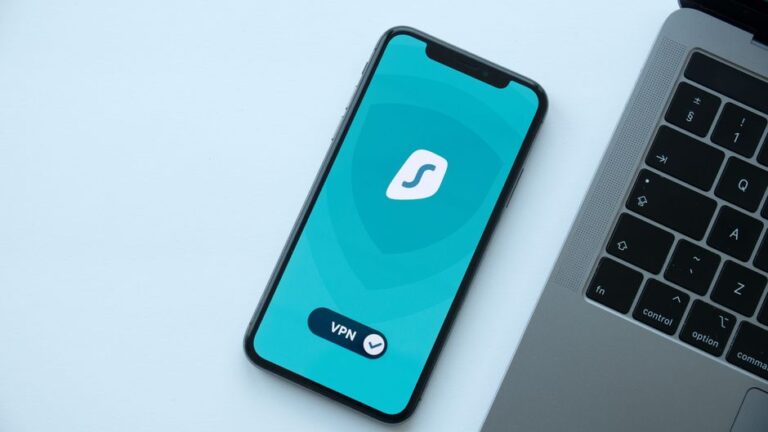
VPNs encrypt your internet connection, making it difficult for third parties to monitor your online activities. Consider these benefits:
Using a VPN can be likened to having a private tunnel for your internet traffic—everything is both secure and concealed from prying eyes.
Traditional browsers often track your online behavior and preferences. Opting for privacy-focused alternatives can make a significant difference. Benefits include:
Choosing the right tools feels akin to choosing safe routes on a journey; some roads are riddled with tolls and obstacles, while others offer unobstructed passage.
Adding an extra layer of security through 2FA can significantly reduce the risk of unauthorized access. Key points include:
Implementing 2FA is similar to adding a physical lock to a door that already has a strong latch; it provides additional peace of mind.
A digital identity is the representation of an individual online, encompassing all user-generated data, including profiles, emails, and online behaviors.
To protect your digital identity, use strong passwords, limit personal information sharing, and monitor your online presence regularly to stay informed about your digital footprint.
Yes, VPNs are generally safe and can enhance digital privacy by encrypting data and masking your IP address, although it’s crucial to choose reputable services.
2FA is a security process that requires two forms of identification before granting access to an account, thereby adding an extra layer of protection against unauthorized access.
It is advisable to check your online presence at least once every few months to stay informed about what information is publicly available and to mitigate any risks.
In conclusion, managing your digital identity requires a proactive approach that combines awareness, strategy, and the use of technology. By recognizing the various components of your digital footprint and employing best practices for management, you can enhance your online privacy and security. Engaging in regular monitoring and utilizing tools such as VPNs and privacy-focused browsers will further empower you to safeguard your information. Remember that your digital identity is not just a reflection of who you are today, but an ongoing narrative that influences your future opportunities. Being mindful and intentional in how you curate this identity will pay off in both personal and professional realms.
Start your journey toward better digital identity management today. Take the first step by reviewing your current online profiles and implementing strong passwords across all your accounts.