Essential Tools for Securing Your Personal Setup: A Comprehensive Guide to Digital Privacy


In today’s digital landscape, personal data protection has become more crucial than ever. As technology evolves, individuals face increased risks to their privacy, making it essential to adopt robust strategies for safeguarding personal information. This comprehensive guide explores ten proven strategies to enhance your personal data protection in everyday life. By implementing these measures, you can significantly reduce your vulnerability to data breaches and identity theft.
Creating strong, unique passwords is foundational to securing your online accounts. A strong password typically consists of a mix of uppercase and lowercase letters, numbers, and special characters. It is also essential to avoid easily guessable information such as birthdays or common words. Additionally, utilizing a password manager can help you not only create but also securely store these passwords. For example, if you have multiple online accounts, a password manager can generate a strong password for each and help you recall them without the need to remember every single one.
Two-factor authentication (2FA) acts as an additional safeguard for your online accounts. This method requires not only a password but also a second form of verification, such as a text message or a code from an authentication app. By enabling 2FA, you can dramatically reduce the likelihood of unauthorized access. Imagine if your password were compromised; with 2FA in place, the hacker would still need that second verification step to gain entry, thereby protecting your sensitive data.
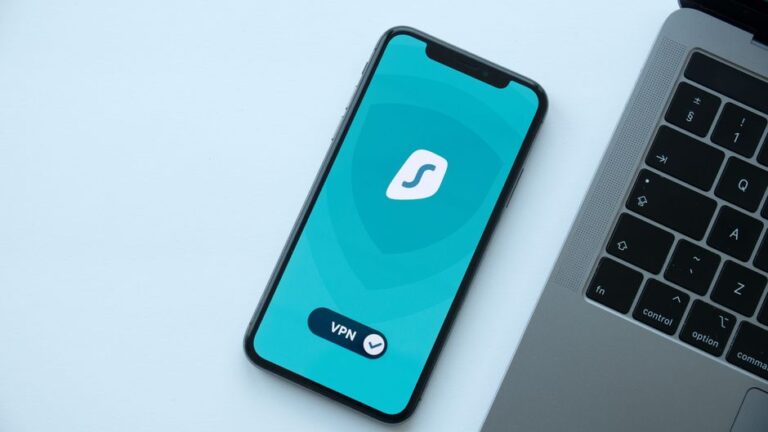
Public Wi-Fi networks offer convenience, but they often lack adequate security measures, making them a prime target for hackers. Avoid accessing sensitive accounts or entering personal information while connected to unsecured networks. If using public Wi-Fi is unavoidable, consider employing a virtual private network (VPN) to encrypt your connection and protect your data from prying eyes. For instance, when browsing in a café, a VPN can safeguard your browsing activity, making it considerably harder for attackers to intercept your data.
Keeping your software and devices updated is vital for protecting against potential security vulnerabilities. Software updates frequently include patches that address newly discovered security flaws. By enabling automatic updates where possible, you ensure you are continually protected against the latest threats. Regular updates are akin to regularly maintaining your car; just as neglected maintenance can lead to breakdowns, ignoring software updates can expose you to security risks.
Being cautious about the personal information you share online is critical. Take the time to review your social media privacy settings and limit what is visible to the public. The less information you make available, the less likely you are to become a target for identity thieves. For example, before posting about an upcoming vacation, consider the implications of broadcasting your absence from home.
Physical security of your devices is just as essential as your digital protection. Utilize biometric locks, strong passcodes, and device tracking features to ensure your devices remain secure. For example, if you have a smartphone, setting up facial recognition or a fingerprint lock can help prevent unauthorized access. Additionally, be cautious about leaving devices unattended in public places, as this increases the risk of theft.
Phishing attacks remain one of the most common threats to personal data security. Always scrutinize emails that request personal information or prompt you to click links. For instance, if you receive an unexpected message claiming to be from your bank, verify its authenticity before taking any action. By distinguishing legitimate emails from scams, you can better protect your sensitive information.
Investing in privacy-focused tools can significantly enhance your personal data protection. Consider using encrypted messaging apps, secure browsers, and ad blockers to safeguard your information effectively. These tools not only help manage your online data but also limit the amount of information that can be collected about you, creating a safer digital environment.
Being informed about your data protection rights is crucial for personal security. Familiarize yourself with privacy laws such as the General Data Protection Regulation (GDPR) and the California Consumer Privacy Act (CCPA). Understanding these regulations empowers you to take action if your data is mishandled, allowing you to advocate for your rights effectively.
Finally, ongoing education about personal data protection is essential. Stay informed about the latest security threats and emerging technologies. By sharing this knowledge with friends and family, you promote a culture of awareness and proactive protection within your community. For example, discussing common phishing techniques in a casual setting can help others recognize these scams when they encounter them.