Essential Tools for Securing Your Personal Setup: A Comprehensive Guide to Digital Privacy

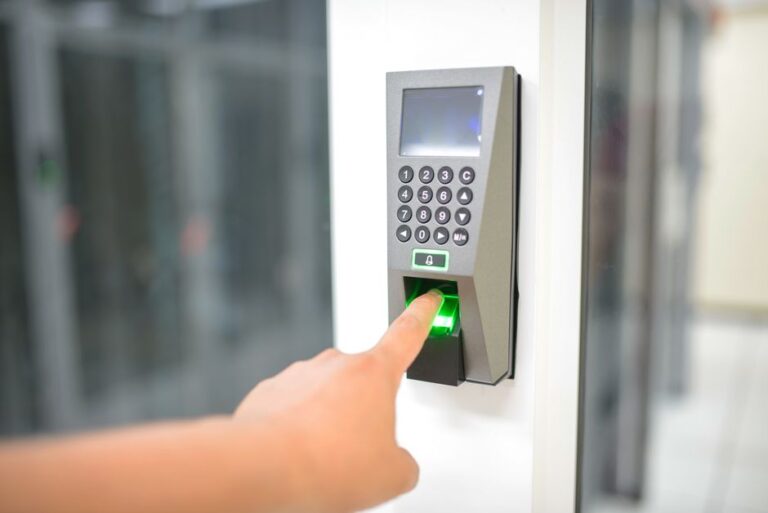
Implementing biometric security measures in your personal device setup is an effective way to enhance security and protect your sensitive information. Biometric technology leverages unique physical characteristics, such as fingerprints, facial recognition, and iris patterns, to authenticate users. This article provides a comprehensive guide to successfully integrating these security measures into your daily privacy practices, ensuring you can make informed choices about your digital security.
Several types of biometric security measures are available today, each offering varying levels of convenience and security. Understanding these types can assist you in choosing the best option for your personal device setup.
Integrating biometric security into your device setup involves several essential steps. Follow these guidelines to ensure a secure installation process that aligns with your needs.
Before implementing biometric security, confirm whether your devices support this feature. Most modern smartphones, tablets, and laptops come with built-in biometric options. You can typically find this information in the device specifications or user manual.
Based on your needs and the device’s capabilities, select the biometric method that best suits you. Consider factors such as convenience, security levels, and the environment in which you will frequently use the device. For example, if you often wear gloves, fingerprint recognition may be less practical than facial recognition.
Once you have selected a biometric method, follow the manufacturer’s instructions to set it up. Most devices will require you to scan your fingerprint or face multiple times to ensure accuracy. Pay attention to your surroundings, as good lighting can improve the effectiveness of facial and iris scanning.
While biometric measures are effective, enhancing security further is always beneficial. Consider enabling multi-factor authentication, which requires additional forms of verification, such as a password or a temporary code sent to your phone, providing another layer of security.
Ensure that your device’s operating system and biometric software are consistently up-to-date. Software updates frequently include security patches that protect against vulnerabilities. Setting your device to automatically update can help you stay secure without needing constant manual checks.
Despite their advantages, many users harbor privacy concerns about storing biometric data. It is essential to understand how to mitigate these concerns effectively.
While biometric security measures offer numerous advantages, they also come with some limitations that users should carefully consider before implementation.
Biometric security is generally considered reliable, though its reliability can vary based on the technology employed. Regular updates and adherence to best security practices significantly enhance its overall effectiveness.
While biometric data is more secure than traditional passwords, no system is entirely foolproof. Utilizing encryption and keeping devices updated can mitigate risks and provide an additional layer of security against potential hacks.
Check the user manual or the manufacturer’s website for specifications related to biometric capabilities. Most modern devices will clearly indicate this information, helping you assess your options.
If the biometric feature fails, you can use an alternative authentication method, such as a password or PIN, until the technical issue is resolved. Ensuring you have backup options on hand is a prudent strategy.
Yes, you can disable the biometric security feature from your device settings. However, consider the security risks of not using it, as this may leave your device more susceptible to unauthorized access.
Integrating biometric security measures into your personal device setup can significantly enhance the protection of your sensitive information. By understanding the various types of biometric methods, evaluating your device’s compatibility, and following the outlined steps for effective implementation, you can ensure a secure digital environment. While biometric security offers numerous benefits, it is essential to remain aware of its limitations and actively address any privacy concerns regarding your biometric data. By staying informed and proactive, you will safeguard your digital life more effectively.
If you are ready to enhance your personal security setup with biometric measures, take the next step today. Invest in the right technology, follow the implementation guidelines, and enjoy peace of mind knowing that your information is well protected.